 Loading Please Wait...Loading Please Wait...
Content marketing is changing fast in 2026. AI is no longer just a helper—it's becoming central to how we create, optimize, and distribute content. Here are the best AI tools that marketers are using right now.
Two major changes are happening:
LLM Optimization is replacing traditional SEO. Your content now needs to be noticed by AI models like ChatGPT, Gemini, and Perplexity, not just Google. Visibility is measured by how AI models cite your content, not just search rankings.
Multimodal AI is here. Tools now generate blog drafts, social captions, video scripts, and matching imagery from a single brief. Everything—text, images, video, and audio—comes from one platform.
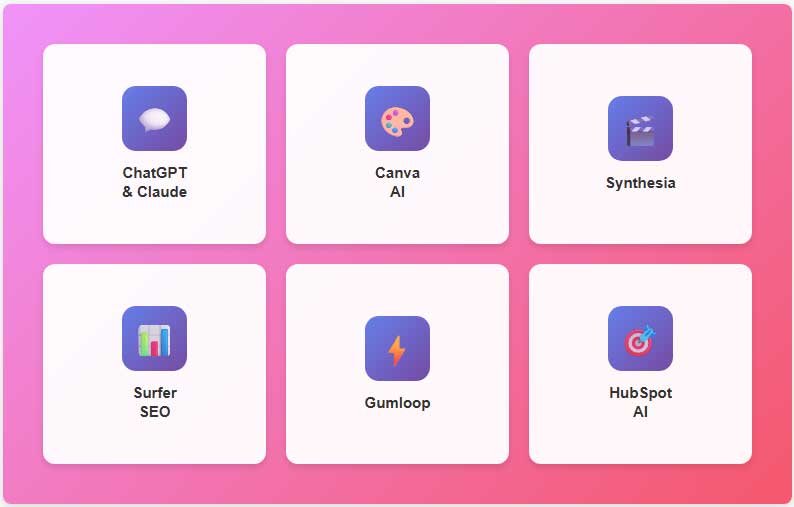
1. ChatGPT and Claude
Still the go-to tools for writing content. They've gotten even better at understanding brand voice and creating long-form content.
Best for: Blog posts, scripts, social media, brainstorming.
Why it works: Fast drafts that sound natural. Great for overcoming writer's block and generating multiple variations.
2. Jasper
Jasper remains a favorite for marketing teams who need brand-consistent content at scale.
Best for: Multi-channel campaigns, maintaining brand voice
Why it works: Remembers your brand guidelines and creates content that matches your style automatically.
3. Gumloop
This is the breakout tool of 2026. It connects AI models to your workflows without code, like if Zapier and ChatGPT had a baby.
Best for: Automating workflows, competitor research, sentiment analysis
Why it works: Connects different AI models to your tools. Teams at Shopify, Webflow, and Instacart are using it.
4. Canva AI
Canva's AI features keep getting better. It now generates complete visual campaigns from text prompts.
Best for: Social graphics, presentations, brand assets.
Why it works: Professional designs in minutes, no design skills needed.
5. Descript
The best tool for repurposing content. Turn podcasts, interviews, and webinars into blog posts and short clips.
Best for: Video editing, podcast transcription, content repurposing.
Why it works: Edit video by editing text. Clone voices for quick corrections. Remove filler words automatically.
6. Synthesia
Create AI-generated videos with virtual presenters. No camera or actors needed.
Best for: Training videos, product demos, explainer content.
Why it works: Creates content in your brand voice and adapts to different channels effortlessly.
7. Lumen5 and Recast Studio
Both tools turn written content and long videos into short, shareable clips for social media.
Best for: Social video, repurposing webinars, quick content creation
Why it works: Automatically pulls the best moments and adds captions. Perfect for LinkedIn and Instagram.
8. Copy.ai
Great for short-form marketing copy and quick variations for A/B testing.
Best for: Product descriptions, email subject lines, ad copy.
Why it works: Fast generation of multiple variants. Ideal for teams managing lots of products.
9. Surfer SEO
Still essential for traditional SEO, but now includes LLM optimization features.
Best for: SEO content, keyword research, content optimization.
Why it works: Shows you exactly what to include to rank higher in both Google and AI search results.
10. HubSpot AI Tools
HubSpot's AI features are now built into their platform, making it a complete solution.
Best for: Email marketing, content remix, integrated campaigns.
Why it works: Generate email drafts, summarize blogs for social media, and repurpose one piece into many formats.
11. Adobe AI Tools
Adobe is bringing professional-grade AI to everyday marketers.
Best for: Audio cleanup, visual design, branded content.
Why it works: Turn voice memos into clean audio. Create professional visuals quickly.
12. ElevenLabs
The best AI voice generator. Sounds natural, not robotic.
Best for: Voiceovers, tutorials, audio content at scale
Why it works: High-quality voice generation for narration and dynamic content.
13. Higgsfield
An emerging tool for video creation. By late 2026, creators will control scenes in real time, adjusting camera movements and lighting as the system updates footage.
Best for: Advanced video creation, real-time editing.
Why it works: Cutting-edge video AI that's changing production workflows.
14. BrandWell
A newer platform that creates self-sustaining content marketing engines.
Best for: Automated content systems, content at scale.
Why it works: Turns content marketing into an automated system that keeps running.
AI is everywhere. 95% of B2B marketers now use AI-powered tools in some capacity, and 80% of creatives use generative AI somewhere in their process.
Search is changing. ChatGPT, Claude, Perplexity, and Gemini have become legitimate search alternatives that people use with the same trust as search engines.
Personalization at scale. AI now tailors content, offers, and imagery for each customer automatically while staying within brand guidelines.
Agentic AI. Multiple AI agents now work together—one analyzes audiences, another plans strategy, and another creates content.
Think about your biggest needs:
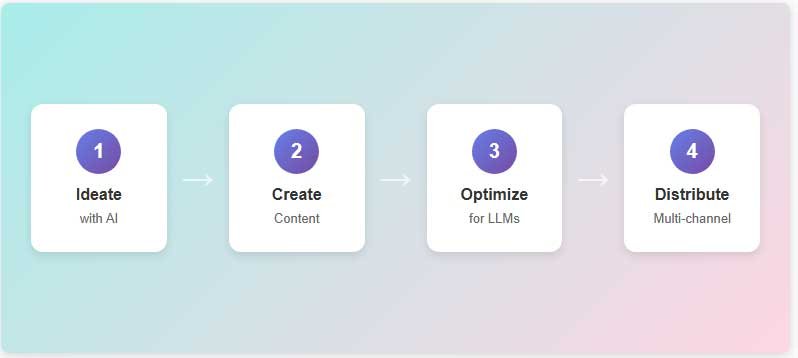
Optimize for AI visibility. Make sure your content can be cited by AI models, not just ranked by Google.
Use multiple tools together. The best results come from combining tools—write with AI, optimize for LLMs, create visuals automatically.
Keep humans in the loop. Use AI for volume but keep humans for voice. Always review and add your expertise.
Focus on original insights. AI-generated summaries won't cut it. Create frameworks, comparisons, and tools that AI will want to cite.
Think multimodal. Plan content across text, video, audio, and images from the start.
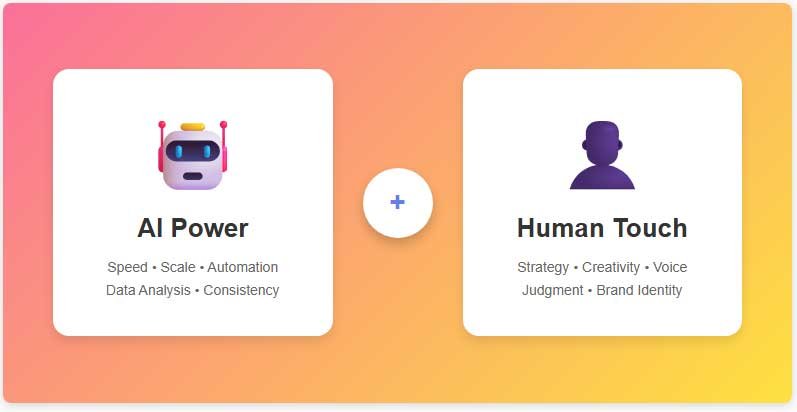
Content marketing in 2026 is AI-powered, but not AI-replaced. The most successful marketers use AI to handle speed and scale while humans provide strategy, creativity, and brand voice.
45% of B2B marketers are prioritizing investment in AI-powered marketing tools for 2026. If you're not using these tools yet, you're already behind.
Start by picking 2-3 tools that solve your biggest challenges. Most offer free trials so you can test before committing. The future of content marketing isn't coming—it's already here.


 Oriya
Oriya